
- Joined
- Aug 27, 2011
- Messages
- 3,521
- Reaction Score
- 10,873
Those aren't actual majors.
Maybe at UNC

Those aren't actual majors.
Come on now, every year the NCAA runs a ton of ads about how great it is that so many student athletes work at Enterprise. Isn’t that a dream job of some sort?The amount of college debt in this country is criminal, along with the absolutely useless majors schools offer in which you're only qualified to work at Enterprise Rent-a-car.


I'm kind of agnostic toward the article. I just hadn't considered some of his observations and projections. I do think that higher education in the US is over priced and due for a correction. I also believe that something very strange(like full time online classes) can become the norm over time if there is no alternative. I think it is wise of these schools to get the kids back on campus asap if for nothing else than their own viability.Until you can meet girls, go to parties, and generally run wild, online learning will never replace a conventional campus.

Going to be ironic when 55 year old philosophy professors...Bunch of ivory tower tweed jacket with elbow patch people are going to be looking for work.
Literally my professor. Tried to fail me because I missed the 2 days of class before finals due to an out of town job interview, which I had told him about on the first day of the semester. Had to formally take it all the way up the board.
But yay! Gen Ed. Requirements costing 4k a course!
(Irony: self explored philosophy is truly a key to life)
Scary for higher education if he’s right.This is an interesting take on the future of higher education.
The Coming Disruption to College
NYU Stern School of Business professor Scott Galloway predicts a handful of elite cyborg universities will soon monopolize higher education.nymag.com
It's incredibly strange we haven't been planning everyrhing this entire time around the peopls the virus is killing.
View attachment 54327

I don't think he is very wrong. I think a lot of small non-elite privates and some directional public institutions will be shuttered in the next decade or so.Scary for higher education if he’s right.

I know it’s a tough situation either way, flu is not apples to apples though. What would the flu rates have been in 2017-2018 if we were on lockdown? Flu numbers are technically for a 12 month period. If “only” 500 people die per day through the end of the year, we’d be looking at 2.5 the deaths in 3/4 of the time period. And that’s with the restrictions.80,000 died of seasonal flu in the 2017-18 season and we didn't shut down the economy. Yet, knowing this virus is deadly but mainly among the elderly with underlying health conditions, the politicians are doing CYA at extraordinary levels for this virus. They say they're taking bold action to protect the people yet the data shows those actions are seriously flawed and ruining the lives of those most vulnerable.


Here's who's hiring right now | LinkedIn
LinkedIn releases annual Jobs on the Rise report, highlighting fastest-growing careers across industries. These roles are experiencing growth.www.linkedin.com
And before you say it, no these aren't long term high paying jobs but think about the savings/benefits of working compared to online school. Even if you assume they work 9 months and 30 hours a week at a minimum wage job before things are "back to normal" and they're not needed that's about $10K earned. Is it crazy to think that's a better option than paying $40K for online classes for a year (or even semester)?
Scary for higher education if he’s right.

This..x2,000.It's incredibly strange we haven't been planning everyrhing this entire time around the peopls the virus is killing.
View attachment 54327

That's already been happening. Many small non-elite private colleges have gone out of business the last few years and many are teetering on the edge. I'm sure this pandemic hasn't helped those that were already teetering.I don't think he is very wrong. I think a lot of small non-elite privates and some directional public institutions will be shuttered in the next decade or so.
As usually the answer is, it depends.
Giving up a year of earning power by skipping a year of school has serious long term financial repercussions (I.e retirement).
But if they use that 10k toward future tuition, or put half in a Roth and the rest towards tuition, or say half in a Roth and half to pay for some community college classes so they don’t fall too far behind, you could probably make it work. I’m just less optimistic about what it will he like out there for these kids when you have adults who also need the work right now when many of their employers don’t make it after this (such as restaurants).
Son just graduated HS and got hired on a few weeks ago delivering pizza. He has yet to make less than $20/hr combined between base pay, tips and reimbursement for mileage.
Not a bad gig for a summer job.
Companies are definitely hiring.
Not everything in life has to be analyzed through small differences in dollars and cents. Does everyone always take the highest salaried job offer? There are always other factors in play. You're marginalizing a student's feelings on what he or she wants to do. My son chose a small liberal arts school because that is where he felt most comfortable. He shouldn't be forced to take on-line classes if he doesn't want to.Is it worth giving up a year of income making and retirement contributions. That’s a real question. No one is going to care even 5 years form now if the first year virtual or not. You made it. You got the degree. You’re an alum of X school.


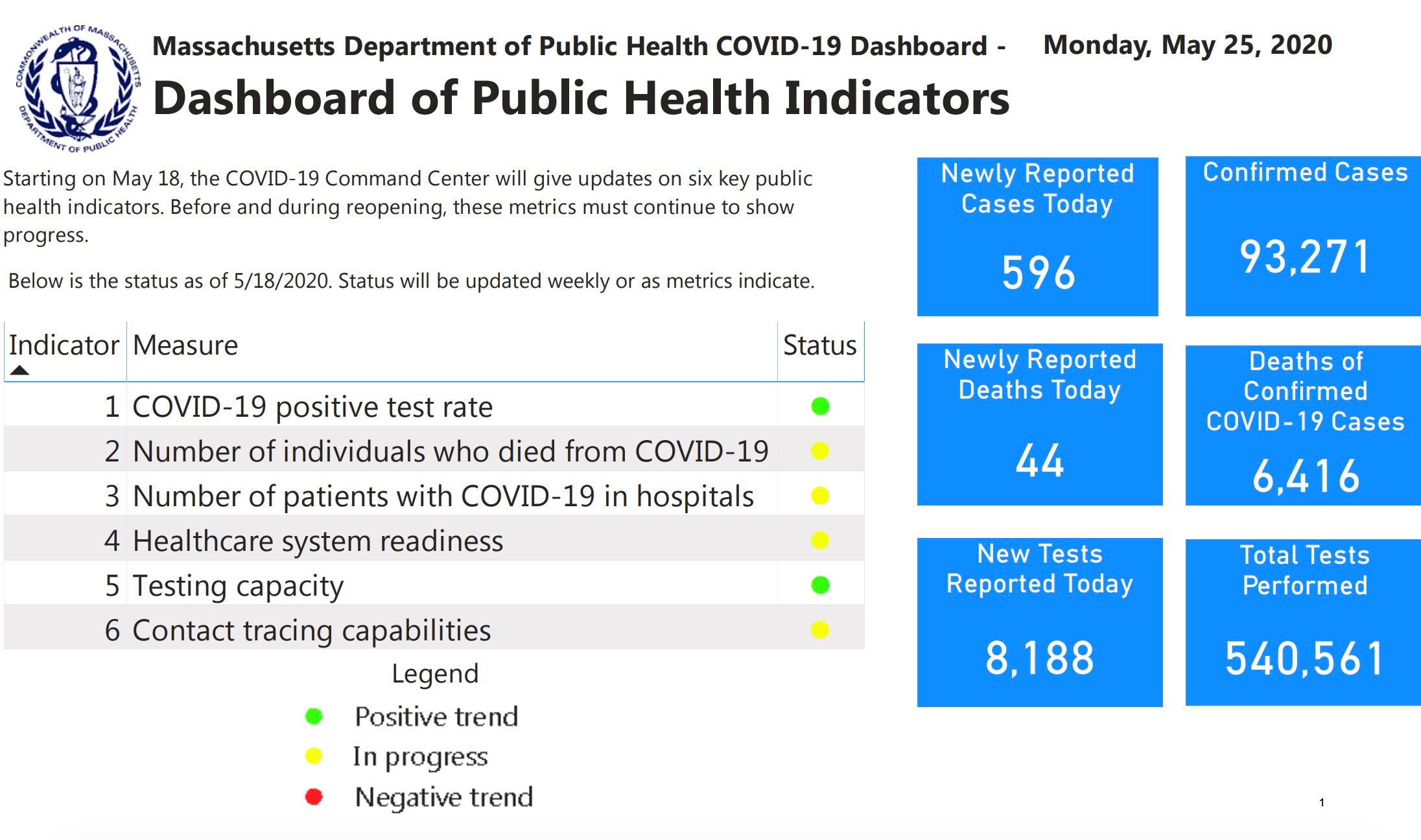

 www.bostonglobe.com
 www.bostonglobe.com

I think it may force out the fringe players, or force them away from a traditional bricks and mortar role. The more interesting question is what does that do to the market. Let's slots should support a higher tuition pricing but I have to believe that we are close to hitting the upper limit on that on a price vs earning capacity analysis. To me the growth area will be one or two year degrees that open traditionally "blue collar" opportunities. I haven't thought about it enough to define what that might be but I think there is a niche for shorter lower cost programs that vet out people who will be viewed by employers as a less risky hire by virtue of that training.That's already been happening. Many small non-elite private colleges have gone out of business the last few years and many are teetering on the edge. I'm sure this pandemic hasn't helped those that were already teetering.

