OT: - Good books | Page 4 | The Boneyard

OT: Good books

Working my way through Children of Dune (Book 3 of 6). I first read Dune in my early teens and just re-read it. Book II, Dune Messiah was really slow and is admittedly a set up for Children of Dune. It also started slow but is picking up steam. I guess I'll have to order the last three books. I have Mark Twain's biography by Ron Powers on deck though.
 
I recently read The Boys in the Boat, and I agree it is an excellent read, far better than the movie.

Michael Shaara's The Killer Angels is an excellent book on the battle of Gettysburg. I particularly enjoyed the sub story on the 21st Maine. It is historical fiction, but it is based upon the letters and books by the actual participants. Jeff Shaara is his son. His biography on Teddy Roosevelt is excellent as well.

While we are talking about historical fiction, let me mention Patrick O'Brian's outstanding Master and Commander series. I found myself without a book as I headed off to vacation so I grabbed this off the shelf and read it probably for the fourth time. It is still excellent. Excellent character development, a multitude of integrated subplots seamlessly woven into the main plot, excellent self-effacing humor all part of a gripping adventure with characters you care about. The series is 20 or 21 books long. I've read through it twice and probably will go back for a third time. It's that good. The movie starring Russell Crowe is very good as well, but it is actually based on Far Side of the World which is a leader novel in the series.

Agree with you too that Doris Kearns Goodwin's Team of Rivals is a outstanding book that gives great insight into the Lincoln cabinet and into some of Lincoln's most famous speeches, which are a hybrid between his rating and Stanton's flowery prose of the time.

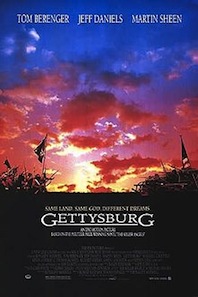
The Killer Angels isn’t that historically accurate. Although it was my gateway drug to being interested in the Civil War. The movie Gettysburg which is awesome, was based on it and just as “accurate”,


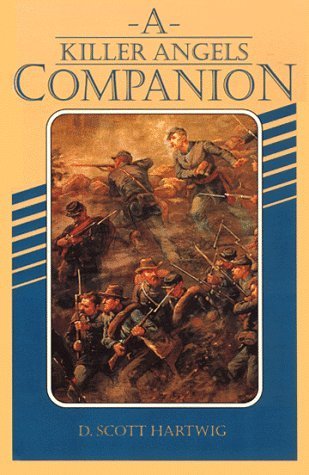
The gyy who wrote the Antietam book mentioned wrote companion for The Killer Angels that sets the record straight and talks about what is accurate. He used to be the Head Ranger at Gettysburg.

One thing that is interesting is over the years how the 20th Maine’s role kept growing and growing. Chamberlain lived for a long time after the war, as did Longstreet. Chamberlain wrote quite a bit and over the years in his writing he gradually became like the main character. Shaara was influenced by that and that transferred to the book.
 
@ZooCougar
So if Chamberlain's first-hand accounts aren't correct, whose first-hand accounts are presumed correct?
 
@ZooCougar
So if Chamberlain's first-hand accounts aren't correct, whose first-hand accounts are presumed correct?

It’s not so much that it’s inaccurate. It’s the premise that the war was won in Little Round Top.

Chamberlain and Little Round Top are a rabbit hole.

For starters the whole swinging gate thing was totally bogus. Not sure if that was a Shaara myth or a Chamberlain one.

 
It’s not so much that it’s inaccurate. It’s the premise that the war was won in Little Round Top.

Chamberlain and Little Round Top are a rabbit hole.

For starters the whole swinging gate thing was totally bogus. Not sure if that was a Shaara myth or a Chamberlain one.

That was interesting. Shaara's novel is unapologetically historical fiction and being hyper critical of it as a historical fact seems misplaced. Many readers won't know the difference, but for those readers, it may well be their only exposure to history. Even though it's fictionalized history, that's still probably a net positive.

For what it's worth, "refusing the line" is definitely a thing, though it's more commonly known as "oblique order."
 
That was interesting. Shaara's novel is unapologetically historical fiction and being hyper critical of it as a historical fact seems misplaced. Many readers won't know the difference, but for those readers, it may well be their only exposure to history. Even though it's fictionalized history, that's still probably a net positive.

For what it's worth, "refusing the line" is definitely a thing, though it's more commonly known as "oblique order."

It's more like many people read the book or see the movie and think it's historical fact. Sort of like the whole "going looking for shoes" myth.

Also I'm not saying refusing the line wasn't a thing. But the whole swinging gate thing definitely was fictional.
 
.-.
It's more like many people read the book or see the movie and think it's historical fact. Sort of like the whole "going looking for shoes" myth.

Also I'm not saying refusing the line wasn't a thing. But the whole swinging gate thing definitely was fictional.
What was the swinging gate thing?
 
What was the swinging gate thing?

You know, the part where they refuse the line and then instead of reloading they all charge with bayonets in unison.
 
You know, the part where they refuse the line and then instead of reloading they all charge with bayonets in unison.
It's been a while since I read the book, but those are separate and distinct events if I recall correctly. Chamberlain refuses the line and then plugs a hole in the refused line with his brother.

One of my favorite parts of the book is where the general complements Chamberlain on his military tactics in deciding to do a bayonet charge and asks him what motivated him to make that decision. Chamberlain replies, we were out of ammunition. I've never seen any documentation of that conversation in anything else, but it's still and entertaining and funny moment in the book.

When time permits, I may look for some more articles on this part of the killer angels to find out what actually has documentation behind it. This is interesting.
 
It's been a while since I read the book, but those are separate and distinct events if I recall correctly. Chamberlain refuses the line and then plugs a hole in the refused line with his brother.

One of my favorite parts of the book is where the general complements Chamberlain on his military tactics in deciding to do a bayonet charge and asks him what motivated him to make that decision. Chamberlain replies, we were out of ammunition. I've never seen any documentation of that conversation in anything else, but it's still and entertaining and funny moment in the book.

When time permits, I may look for some more articles on this part of the killer angels to find out what actually has documentation behind it. This is interesting.

You don't need to:

There is a whole book about it and more. Written by the guy who was the head historian at Gettysburg.

 
You don't need to:

There is a whole book about it and more. Written by the guy who was the head historian at Gettysburg.

Not really worth bumping this thread, but I couldn't send you a PM. I did buy this book, though book may be too much word, it's more of a paper. It was an interesting read. The author absolutely confirms the 20th Maine's stand on little Round Top and the bayonet charge. he does say that the later use of the 20th Maine to defend Pickets charge is fictional though.

In any event, thanks for the recommendation. It was an interesting read. Like most people, I would imagine, the 20th Maine's stand on Little Round Top is one of my favorite parts of The Killer Angels. I would enjoy the book, regardless, but I am glad it is based in historical fact.
 
Not really worth bumping this thread, but I couldn't send you a PM. I did buy this book, the book may be too much word, it's more of a paper. It was an interesting read. The author absolutely confirms the 20th Maine's stand on little Round Top and the bayonet charge. he does say that the later use of the 20th Maine to defend Pickets charge is fictional though.

In any event, thanks for the recommendation. It was an interesting read. Like most people, I would imagine, the 20th Maine's stand on Little Round Top is one of my favorite parts of The Killer Angels. I would enjoy the book, regardless, but I am glad it is based in historical fact.

On a podcast he said the swinging gate deal was nonsense. Whatever bayonet charge there was it was nothing novel like Shaara indicated.

Shaara had a funny way of promoting these guys. Like he seems to indicate that Longstreet invented trenches and fortifications. I’m sure the Romans giggled reading that book in heaven.

Also Buford wasn’t the first guy to discover skirmishing and cavalry fighting dismounted.

The Killer Angels is a nice gateway drug into Civil War history. And Gettysburg is a great adaptation but accuracy wise it’s just OK and that’s it.
 
.-.
On a podcast he said the swinging gate deal was nonsense. Whatever bayonet charge there was it was nothing novel like Shaara indicated.

Shaara had a funny way of promoting these guys. Like he seems to indicate that Longstreet invented trenches and fortifications. I’m sure the Romans giggled reading that book in heaven.

Also Buford wasn’t the first guy to discover skirmishing and cavalry fighting dismounted.

The Killer Angels is a nice gateway drug into Civil War history. And Gettysburg is a great adaptation but accuracy wise it’s just OK and that’s it.
I think you were conflating wheeling around a pivot point and the bayonette charge. What the author of the paper you recommended said was that Chamberlain wouldn't have to explain the wagon wheel send to his officers who were experienced soldiers at that time. It's obvious that. Shaara has him do that for the readers benefit. But, in fact, the bayonet charge is a big part of the battle of Gettysburg. it happened, and was pivotal to the defense little round top. Again, I'm just finishing up that pamphlet, the author of your citing doesn't dispute that it happened.

Longstreet is a fascinating character in Civil War history. He has his advocates and detractors. He largely suffers from the fact that he was critical of Robert E Lee after the war in his memoirs. Once that happened, many people turned on him.

Have to go, but we'll talk about this more later
 
I think you were conflating wheeling around a pivot point and the bayonette charge. What the author of the paper you recommended said was that Chamberlain wouldn't have to explain the wagon wheel send to his officers who were experienced soldiers at that time. It's obvious that. Shaara has him do that for the readers benefit. But, in fact, the bayonet charge is a big part of the battle of Gettysburg. it happened, and was pivotal to the defense little round top. Again, I'm just finishing up that pamphlet, the author of your citing doesn't dispute that it happened.

Longstreet is a fascinating character in Civil War history. He has his advocates and detractors. He largely suffers from the fact that he was critical of Robert E Lee after the war in his memoirs. Once that happened, many people turned on him.

Have to go, but we'll talk about this more later

And many historians don’t think it was as pivotal and many think Chamberlain was self aggrandizing blowhard who happened to live long enough to write history in his favor.
 
I think you were conflating wheeling around a pivot point and the bayonette charge. What the author of the paper you recommended said was that Chamberlain wouldn't have to explain the wagon wheel send to his officers who were experienced soldiers at that time. It's obvious that. Shaara has him do that for the readers benefit. But, in fact, the bayonet charge is a big part of the battle of Gettysburg. it happened, and was pivotal to the defense little round top. Again, I'm just finishing up that pamphlet, the author of your citing doesn't dispute that it happened.

Longstreet is a fascinating character in Civil War history. He has his advocates and detractors. He largely suffers from the fact that he was critical of Robert E Lee after the war in his memoirs. Once that happened, many people turned on him.

Have to go, but we'll talk about this more later

Longstreet was considered the Third Ranking Confederate behind Davis and Lee. He was related to US Grant by marriage and they were close. When Grant went broke Longstreet have him money.

He became a Republican and led Militia Troops that had African Americans in it against southern extremists in actual combat in New Orleans during Reonstruction.

For this the Lost Causers saw this as a betrayal and they mounted and information campaign that was really effective to scapegoat him.

The Lost Causers were very effective at controlling the message for 100+ years. Shaara was really good at rehabilitating Longstreet. And characterized him as some sort of clairvoyant. But all we have to do is look at Longstreet’s comically bad solo campaign in Tennessee to know what that he could be nearly as clueless as anyone.

I have the new Elizabeth Varon book on Longstreet and the Guelzo book on Lee on the list to read this winter. If you want an elite book to read about Gettysburg then pick up Guelzo’s book.
 
Longstreet was considered the Third Ranking Confederate behind Davis and Lee. He was related to US Grant by marriage and they were close. When Grant went broke Longstreet have him money.

He became a Republican and led Militia Troops that had African Americans in it against southern extremists in actual combat in New Orleans during Reonstruction.

For this the Lost Causers saw this as a betrayal and they mounted and information campaign that was really effective to scapegoat him.

The Lost Causers were very effective at controlling the message for 100+ years. Shaara was really good at rehabilitating Longstreet. And characterized him as some sort of clairvoyant. But all we have to do is look at Longstreet’s comically bad solo campaign in Tennessee to know what that he could be nearly as clueless as anyone.

I have the new Elizabeth Varon book on Longstreet and the Guelzo book on Lee on the list to read this winter. If you want an elite book to read about Gettysburg then pick up Guelzo’s book.
His biggest unforgivable sin wasn't any of the battles that were lost, maybe it wasn't even his criticism of Lee, but instead, post war becoming a Republican.
 
The Miracle of St. Anthony is great if you haven't read that yet. Written by Woj, follows Bob Hurley/St Anthony for a season
Yes, got it signed by Bob - benefits of living in Jersey City.
 
His biggest unforgivable sin wasn't any of the battles that were lost, maybe it wasn't even his criticism of Lee, but instead, post war becoming a Republican.

Also his last wife died in ‘60s. Like the 1960s.
 
.-.
Also bought a book written by Frank Zappa's daughter talking about growing up with her Dad that I'm interested in getting into.
Have seen Moon on a couple of podcasts recently. She's an interesting listen. I imagine the book is pretty good.
 
I started reading the Witcher series finally. Watching the show and playing the games really gave me the sense that I needed to get into the details of things.
 
I'm about halfway through The Lincoln Highway by Amor Towles. I like it very much!
 
And many historians don’t think it was as pivotal and many think Chamberlain was self aggrandizing blowhard who happened to live long enough to write history in his favor.
Actually, I haven't seen a single historian voice that opinion. It's not as if the battle of Gettysburg was the only achievement in his life. He rose to become a brigadier general and then a major general, forsaking a private career for one of public service. He later went on to become governor of Maine and president of the Bowdoin College. Eventually, Congress gave him the medal of honor for gallantry in his service at Gettysburg. His courage is undisputed as he was wounded several times on the battlefield, often thought to be mortal wounds, only to come back to fight again.

Ironically, Chamberlain may be best known for his graciousness in victory. A few weeks after Lee's surrender at Appomattox, Chamberlain, and his troops were poised to receive the surrendering confederates. As major general John B Gordon, known as the fiery commander of the confederate second corps rode by with his head bow and eyes cast down Chamberlain was moved by the momentous nature of the occasion. He ordered his bugler to have his troops "order arms" and "carry" (that is how marching soldiers would salute a dignitary at the time) as the confederates passed. General Gordon recognize the bugle call, his head snapped up, and he turned around and ordered his troops to reciprocate the gesture. What had begun as a humiliating ceremony of surrender morphed into a statement of mutual respect. Probably not the act of a "self-aggrandizing blow hard", but entirely consistent with a medal of honor winning "officer and a gentleman."

 
Heard Day of the Jackal was being remade to a TV series - prompted me to go back and read that 1971 gem.
 
Audible listeners: Shantaram is free until 10/28

Here are my recommendations by genre:

Health: 10% Human - Alanna Collen <--- most important
Fantasy: The First Law Trilogy - Joe Abercrombie...this is an incredible series and an even more incredible audible performance.
Classics: Count of Monte Cristo - Alexandre Dumas....I've read this thing like three times, the use of language is captivating to me.
Conspiracy: - Dr. Mary's Monkey - Ed Haslam...about the connection between Polio Vax/New Orleans Bio-Warfare Lab and Lee Harvey Oswalt
War: Matterhorn - Karl Marlantes
Self Help: Zig Ziglar
Autobiography: Shoe Dog - Phil Knight
Cajones: Endurance - Alfred Lansing

Also anything by Terence McKenna and anything with Sherlock Holmes
 
.-.
Actually, I haven't seen a single historian voice that opinion. It's not as if the battle of Gettysburg was the only achievement in his life. He rose to become a brigadier general and then a major general, forsaking a private career for one of public service. He later went on to become governor of Maine and president of the Bowdoin College. Eventually, Congress gave him the medal of honor for gallantry in his service at Gettysburg. His courage is undisputed as he was wounded several times on the battlefield, often thought to be mortal wounds, only to come back to fight again.

Ironically, Chamberlain may be best known for his graciousness in victory. A few weeks after Lee's surrender at Appomattox, Chamberlain, and his troops were poised to receive the surrendering confederates. As major general John B Gordon, known as the fiery commander of the confederate second corps rode by with his head bow and eyes cast down Chamberlain was moved by the momentous nature of the occasion. He ordered his bugler to have his troops "order arms" and "carry" (that is how marching soldiers would salute a dignitary at the time) as the confederates passed. General Gordon recognize the bugle call, his head snapped up, and he turned around and ordered his troops to reciprocate the gesture. What had begun as a humiliating ceremony of surrender morphed into a statement of mutual respect. Probably not the act of a "self-aggrandizing blow hard", but entirely consistent with a medal of honor winning "officer and a gentleman."

You need to read more history.

The whole story about he and his men receiving Lee at Appomattox quite possibly never happened.

He was a nice old man who lived for quite a while and every time he wrote a little more the stories became a little more fantastic. I’m a huge skeptic.
 
You need to read more history.

The whole story about he and his men receiving Lee at Appomattox quite possibly never happened.

He was a nice old man who lived for quite a while and every time he wrote a little more the stories became a little more fantastic. I’m a huge skeptic.
I guess that's possible, but the historian you predicated this whole discussion upon (and in the booklet that you specifically mentioned) states it as a fact so... do you think he's credible or not?
 
Actually, I haven't seen a single historian voice that opinion. It's not as if the battle of Gettysburg was the only achievement in his life. He rose to become a brigadier general and then a major general, forsaking a private career for one of public service. He later went on to become governor of Maine and president of the Bowdoin College. Eventually, Congress gave him the medal of honor for gallantry in his service at Gettysburg. His courage is undisputed as he was wounded several times on the battlefield, often thought to be mortal wounds, only to come back to fight again.

Ironically, Chamberlain may be best known for his graciousness in victory. A few weeks after Lee's surrender at Appomattox, Chamberlain, and his troops were poised to receive the surrendering confederates. As major general John B Gordon, known as the fiery commander of the confederate second corps rode by with his head bow and eyes cast down Chamberlain was moved by the momentous nature of the occasion. He ordered his bugler to have his troops "order arms" and "carry" (that is how marching soldiers would salute a dignitary at the time) as the confederates passed. General Gordon recognize the bugle call, his head snapped up, and he turned around and ordered his troops to reciprocate the gesture. What had begun as a humiliating ceremony of surrender morphed into a statement of mutual respect. Probably not the act of a "self-aggrandizing blow hard", but entirely consistent with a medal of honor winning "officer and a gentleman."
Love these detailed nuggets of info...keep 'em coming!
 
I guess that's possible, but the historian you predicated this whole discussion upon (and in the booklet that you specifically mentioned) states it as a fact so... do you think he's credible or not?

In that book he stated the Lee thing as a fact? Are you sure?

Amongst Park Rangers and historians it’s not universally believed. Chamberlain changed his story several times.

And CSA General Gordon’s corroborating testimony is also viewed skeptically.

 
Act of Oblivion by Robert Harris - Connecticut-based historical novel, very good read.
 
Audible listeners: Shantaram is free until 10/28

Here are my recommendations by genre:

Health: 10% Human - Alanna Collen <--- most important
Fantasy: The First Law Trilogy - Joe Abercrombie...this is an incredible series and an even more incredible audible performance.
Classics: Count of Monte Cristo - Alexandre Dumas....I've read this thing like three times, the use of language is captivating to me.
Conspiracy: - Dr. Mary's Monkey - Ed Haslam...about the connection between Polio Vax/New Orleans Bio-Warfare Lab and Lee Harvey Oswalt
War: Matterhorn - Karl Marlantes
Self Help: Zig Ziglar
Autobiography: Shoe Dog - Phil Knight
Cajones: Endurance - Alfred Lansing

Also anything by Terence McKenna and anything with Sherlock Holmes
The Count of Monte Cristo is a great book. The movie with James Caviezel is very good as well.
 
.-.

Forum statistics

Threads
168,217
Messages
4,557,584
Members
10,442
Latest member
StatsMan


Top Bottom