Per some earlier claims about Harvard too high, and Iowa State too low . . Seth Greenberg weighs in
Too high: Harvard Crimson (No. 20)
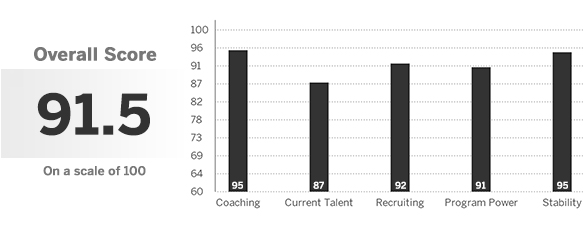
Harvard coach Tommy Amaker has done an incredible job. His teams are well-coached, aggressive, talented, athletic, tough and confident. Amaker has also been good at identifying qualified student-athletes who can compete at a higher level. Over the past two seasons, the Crimson boast wins against Cincinnati and New Mexico in the NCAA tournament. It speaks volumes to Amaker's work. However, it’s hard to see the Crimson as a future top-20 program, considering the small pool of potential prospects and the small margin of error in the evaluation process.
This upcoming season, they will graduate the Ivy League Player of the Year in
Wesley Saunders and two experienced and productive post players in
Kenyatta Smith and
Steve Moundou-Missi. Look: Harvard is Harvard, and it will attract student-athletes who can thrive in its intense academic climate. But the graduation of three impact players will be difficult to replace. This, combined with its facilities and lack of national television appearances, make it difficult to imagine Harvard being a perennial elite program. Dominating the Ivy League doesn't warrant this high of a rating.
Too low: Wichita State Shockers (No. 38)
Wichita State is no flash in the pan. The squad has won 92 games over the last three years, tied with Syracuse for the second-most wins in that time period. The Shockers have earned three consecutive NCAA bids, advanced to the Final Four in 2012-13 and finished last regular season undefeated, earning a No. 1 seed in the process. Despite playing in what is considered a mid-major league (the Missouri Valley Conference), there is nothing mid-major about the Shockers. Coach Gregg Marshall is well-compensated, and their facilities are first class. Wichita State practices in a state-of-the-art practice facility and competes in the renovated Koch Arena in front of sellout crowds of 10,506 passionate fans. The team travels by charter, and its budget takes a back seat to no one.
Anyone who sees Marshall looking to leave the program doesn’t know his pedigree. His two mentors -- Hal Nunnally from Randolph-Macon and John Kresse from College of Charleston -- stayed at their schools for 24 and 23 years, respectively. Marshall has turned down ACC, SEC and Big Ten jobs to remain at Wichita. The opportunities that would interest him would be top-two jobs in power conferences, and I don’t expect them to be available in the near future. Marshall is the total package. He’s a gifted coach who relates to and connects with his players, and is a terrific evaluator of talent. Marshall doesn’t just see a player -- he anticipates what the player could be down the road. He knows the type of player that fits his system and personality. Wichita State is a top-20 program with the potential during any given year to make a deep run in the NCAA tournament.
Too low: Iowa State Cyclones (No. 31)
It’s hard to fathom Iowa State failing to make the top 25. Hoiberg has led the Cyclones to three consecutive NCAA tournaments, advancing past the initial round each time and reaching the Sweet 16 in 2014. This season’s Cyclones will be a preseason top-20 team and have a chance to once again advance to the second weekend of the postseason. Similar to Marshall at Wichita State, I think some believe Hoiberg could leave Iowa State. Every year there will be overtures from the NBA, but the reality is he has a unique situation with the Cyclones. It would take perfect circumstances for him to move his family from Ames before his children finish school.
Hoiberg has transitioned seamlessly to college basketball. The Mayor has not only brought the magic back to Hilton Coliseum, but he has added an NBA system that utilizes his players’ strengths and attacks matchups, and he sells well on the recruiting trail. He manages his roster like a former director of player personnel, finding a good mix of high school players, transfers and fifth-year seniors. He’s a terrific communicator, in whom players trust and for whom they work hard. Instead of running plays, he runs actions and lets his players play out of them. This enables him to move players to different positions and use different lineups.
Too low: Florida State Seminoles (unranked)
It’s hard to make a list of the future top 50 programs without mentioning Florida State. Leonard Hamilton has built a program with hardworking and athletic players and a commitment to defense. The Seminoles won the ACC championship just two years ago. They boast the third most wins in the ACC over the past nine years, trailing just Duke (No. 1 in the FPR) and North Carolina (No. 7). Hamilton has earned a reputation as a great recruiter, but it should not overshadow the tremendous coaching job he has done. His well-prepared teams always compete. If you conducted a survey in the ACC on teams that opponents least like to face, Florida State would top the list. The future is very bright for the Seminoles.
Florida State has achieved success recruiting under Hamilton, thanks to his extensive network. He adds talent both nationally and internationally. He already received three commitments for the Class of 2015, all of which are rated in the ESPN 100. Wing players
Terance Mann (No. 71),
Malik Beasley (No. 51) and
Dwayne Bacon (No. 40) will complement incoming freshman
Xavier Rathan-Mayes (No. 44 in the Class of 2013) and a veteran frontcourt next season.
It’s hard to predict the future in today's world of college basketball. Coaches who have good situations and are comfortable in their own skin are not as willing to move, re-establish a culture and rebuild programs. Schools compensate successful coaches at all levels. In the end, it comes down to institutions making commitments to facilities, and coaches evaluating well and refusing to compromise their values. There are four or five elite programs and then another 30 that have a chance any given season.